
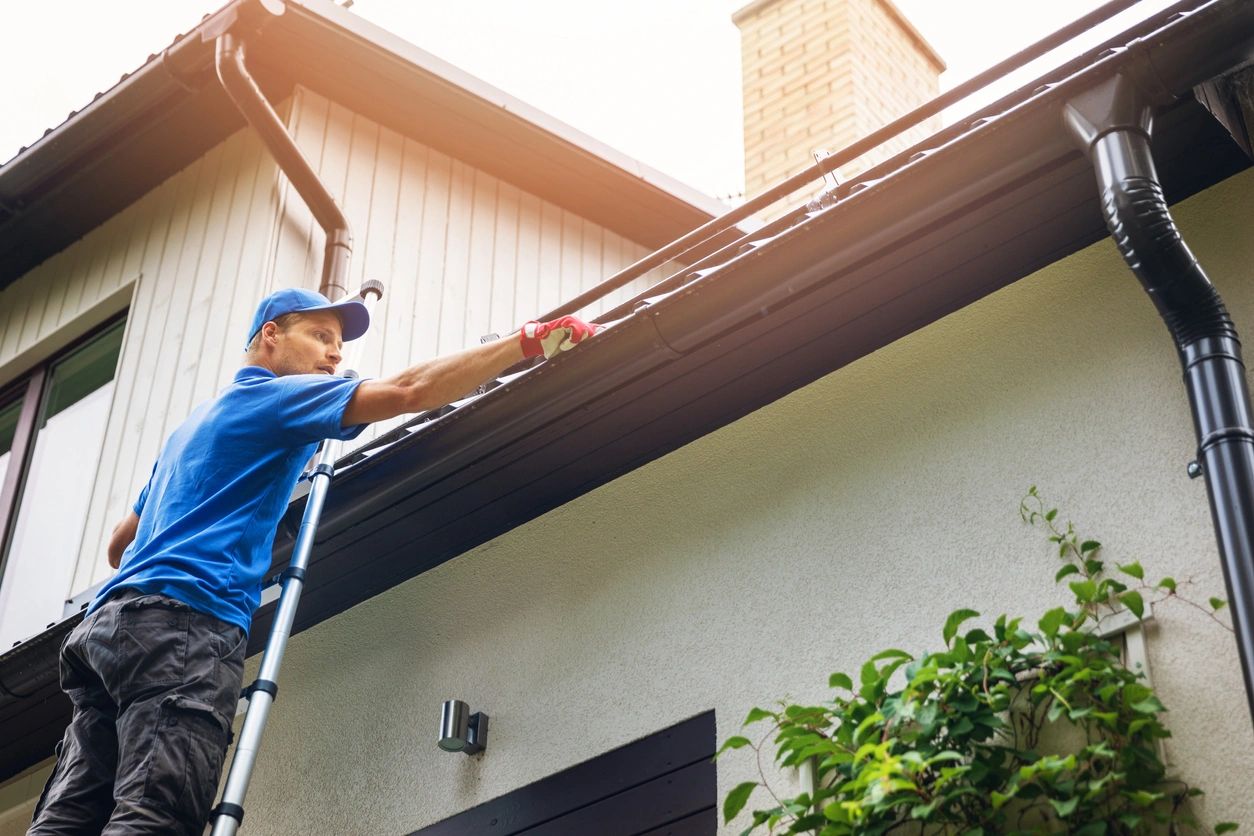
The Best Time of Year to Replace Gutters in Utah...
And Why Waiting Can Cost More
Homeowners often ask a simple question: "When is the best time to replace gutters?"
In Utah, the answer is not as obvious as it seems. Because here, you can drive 15 minutes or 15 miles and the weather is completely different. Snow in one neighborhood. Sun in another. Sudden storms in the valley. Rapid melt in the foothills.
Timing matters. And waiting for the "perfect season" can sometimes create more risk than acting sooner. Let's break it down by season.
Spring: The Aftermath Season
Spring is when problems reveal themselves. Heavy runoff exposes poor pitch. Ice damage shows up in sagging sections. Seams that cracked over winter start leaking. This is one of the busiest times for gutter repairs and replacements.
Pros of Spring Installation:
- Damage is visible
- Snow load stress is already known
- You prepare for summer storms
Cons:
- Higher demand
- Scheduling can tighten quickly
If winter stressed your system, spring is often the most logical time to act.
Summer: The Strategic Season
Summer in Utah tends to bring more stable weather. This makes installation straightforward and predictable.
- Dry working conditions
- Easier scheduling
- Ideal time for upgrades like gutter guards
- Resolve issues before fall leaf buildup
Summer is often when proactive homeowners act before problems escalate. It's also when financing becomes strategic. Instead of waiting until damage becomes urgent, homeowners choose to replace systems calmly and on their timeline. Learn about our 48-month 0% financing option.
Fall: The Deadline Season
Fall creates urgency. Leaves begin to fall. Storm systems increase. Freezing nights approach. If gutters are already sagging or leaking, winter will amplify the problem.
- Prevent winter snow stress
- Reduce ice dam risk
- Enter winter with reinforced systems
Waiting until winter can mean dealing with frozen fasteners and emergency situations.
Winter: The Risky Season
Winter replacement is possible, but not ideal if the system is actively failing. Snow and ice make minor issues worse. Temperature fluctuations stress brittle sealants and weak seams.
If gutters fail during winter, consequences can include:
- Ice buildup near entryways
- Water backing under shingles
- Foundation pooling during sudden melts
- Increased fascia damage
Waiting through winter with a failing system often increases repair scope in spring.
What Happens When You Wait Too Long
Gutters rarely fail all at once. Instead, they degrade gradually. Minor seam leaks. Slight sagging. Occasional overflow. Then one heavy storm or rapid melt cycle pushes the system past its limit.
When that happens, repairs often become larger sectional replacements, fascia board repairs, downspout reconfiguration, and water damage correction. Addressing the issue during a controlled season is almost always more predictable than reacting during extreme weather.
The Utah Factor
Utah's climate is unique. Rapid temperature swings cause expansion and contraction daily. If corners are sealed with brittle materials instead of flexible silicone, they may crack sooner. If hanger spacing is inconsistent, snow load can create sagging. If pitch is slightly off, freeze cycles increase standing water.
The best time to replace gutters is often before those stresses intensify. Not after.
So When Is the Best Time?
The best time to replace gutters in Utah is: when early signs appear, not when failure becomes obvious. If your system is sagging, leaking at seams, showing fastener pull-out, frequently clogging, or more than 15 to 20 years old, waiting for a specific season may not be the smartest move. Controlled timing is better than emergency timing.
The Bottom Line
There is no single perfect month to replace gutters in Utah. There is only the right window before structural stress increases. Spring reveals damage. Summer allows strategic planning. Fall creates urgency. Winter magnifies weakness.
The best time is before your system becomes the weakest link in your home's exterior protection. If you are unsure whether now or later makes more sense, a structured evaluation can clarify whether your gutters are stable, stressed, or approaching failure. Acting early is almost always simpler than correcting compounded damage later.
Ready for a Free, In-Person Evaluation?
We come to you. No guessing over the phone. Serving all of Utah.