
Water in Utah Is Becoming More Valuable. Here's Why Rain Collection Makes Practical Sense.
Utah is growing. More development. Expanding infrastructure. Increasing long-term planning around water usage.
As cities prepare for the future, homeowners are beginning to think differently about water as well. Not emotionally. Practically.
Water is no longer something most homeowners assume will always be unlimited. Conversations around irrigation restrictions, conservation planning, and long-term supply stability are becoming more common across the Wasatch Front.
And with that shift comes a simple question: If water falls on your roof, why not keep it?
Your Roof Is Already a Water Collection Surface
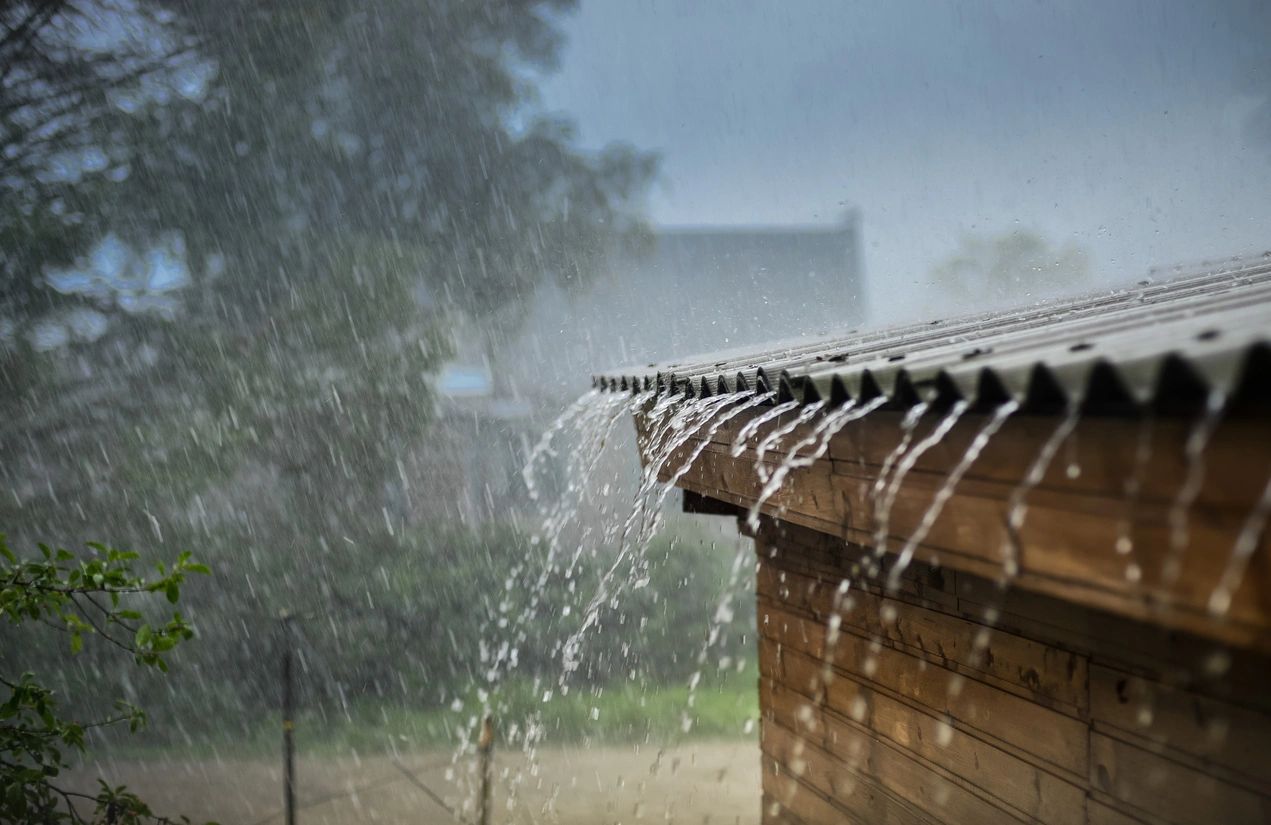
Every storm that moves through Utah turns your home into a catchment system. Rain hits the roof. It flows downward. It enters the gutter system. It exits through downspouts.
On a standard residential roof, even a moderate rainstorm can generate hundreds of gallons of usable water. Without a collection system, that water simply disperses into the ground. With a properly designed rain collection system, that same water can be stored and reused.
The opportunity is already there. It just needs to be captured.
Rain Collection Is Not Complex Anymore
For years, rain collection felt niche or rural. Today, systems can be compact and discreet, integrated cleanly into existing exteriors, scaled to fit almost any property size, and designed for seasonal or year-round use.
A small system can support garden beds, tree watering, flower beds, and outdoor washing. A larger system can support lawn irrigation, multi-zone landscaping, automated distribution, and higher-capacity storage.
The concept remains simple: Capture. Store. Use. It does not require lifestyle changes. It simply redirects water that already belongs to your property.
Ownership Changes the Conversation
When homeowners rely entirely on municipal supply, usage is reactive. Water rates fluctuate. Restrictions adjust. Seasonal guidance changes.
With rain collection, part of that dependence shifts. You are no longer relying solely on external supply for irrigation and outdoor use. You are supplementing with what your property naturally receives. That changes the tone of water use from reactive to proactive. It introduces stability. It introduces ownership.
Utah's Weather Makes It Practical
Utah may feel dry in long stretches, but storms bring concentrated rainfall. Spring runoff. Sudden summer systems. Rapid snowmelt. All of that water moves through your home's drainage system.
Instead of allowing it to disperse, rain collection captures it at the source. Even modest rainfall events can generate meaningful stored supply over time. And because systems are scalable, homeowners can choose the size that aligns with their needs.
Turnkey, Not Complicated
One of the most important shifts in modern rain collection is simplicity. This is not a DIY patchwork solution. A properly installed system is cleanly integrated, structurally aligned with existing drainage, professionally filtered, designed for durability, and easy to maintain.
From tank placement to downspout routing to overflow planning, a turnkey rain collection system solves the water capture process in one cohesive design. It is not an add-on. It is a system.
Start Small or Build at Scale
There is no required entry point. Some homeowners begin with a single collection tank, direct downspout capture, and manual irrigation use. Others build larger-scale systems with multi-tank storage, pump integration, automated irrigation tie-ins, and expanded capacity planning.
The beauty of modern rain collection is flexibility. You can begin with a modest solution and expand later. Or you can design for full-scale capacity from the start. The infrastructure adapts to your goals.
Long-Term Thinking Without Drastic Change
Rain collection does not require lifestyle overhaul. It does not require abandoning municipal water. It simply supplements it. Instead of using treated city water for every outdoor need, you integrate captured rainfall where appropriate. Over time, that adds up. Not just financially. But structurally and strategically.
Homes equipped with integrated water capture systems are positioned differently in a climate where water discussions are increasing.
The Role of Proper Water Flow
Because rain collection begins at the roofline, proper water flow is critical. Gutters must direct water efficiently. Downspouts must route water correctly. Seams must remain sealed under temperature fluctuation.
When these components function properly, collection systems operate smoothly. When flow is inconsistent, efficiency drops. That is why integration matters. Rain collection is most effective when it is treated as part of a complete water management strategy, not a standalone barrel at the edge of a house.
Planning Ahead Instead of Reacting
Water conversations in Utah are not temporary. They are part of long-term infrastructure planning. Homeowners who plan ahead gain flexibility. Rain collection allows you to reduce reliance on peak municipal usage, supplement irrigation during dry stretches, maintain landscaping during restrictions, and store runoff instead of losing it.
It is not about urgency. It is about foresight.
A Practical Shift in Perspective
Every time it rains, water touches your roof and leaves your property. Rain collection simply changes that path. Instead of dispersing unused, it becomes stored supply. Instead of being reactive to changing policies or seasonal guidance, you gain a measure of control.
The system does not need to be massive. It does not need to be complicated. It simply needs to be intentional. Water ownership begins at the roofline. And with the right design, it can be implemented cleanly, efficiently, and at nearly any scale.
Contact us to get your water collection system design started!
Ready for a Free, In-Person Evaluation?
We come to you. No guessing over the phone. Serving all of Utah.